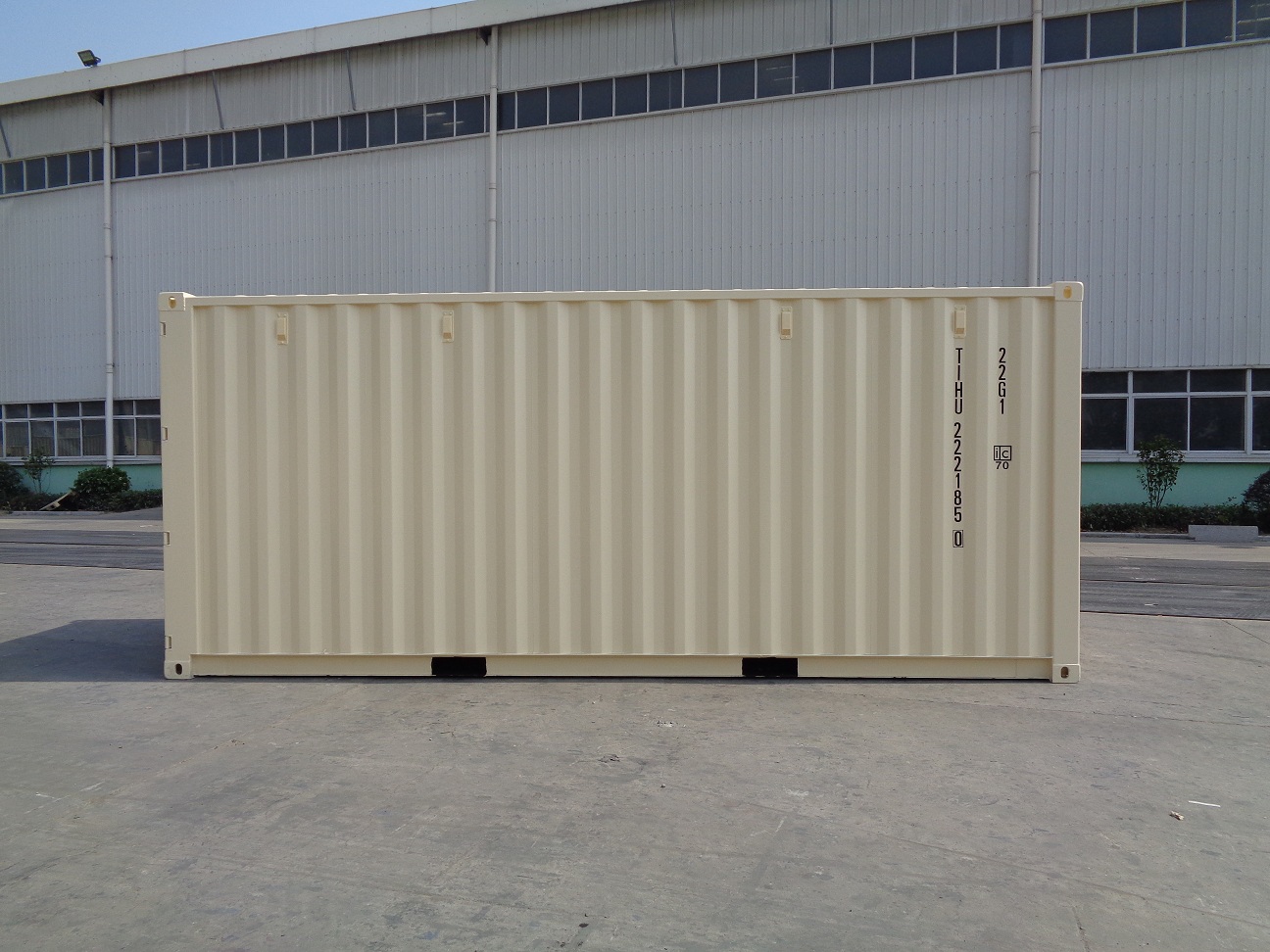
A dry container is one of the most versatile and durable assets in global logistics and storage. From transporting goods across oceans to serving as secure on-site storage, workshops, or even modular spaces, shipping containers are built to handle tough conditions. However, like any steel structure exposed to the elements, they perform best when properly maintained.
Whether you own a shipping dry container for cargo operations or use a 20 feet dry container for storage or project support, routine care can significantly extend its lifespan and prevent costly repairs. The good news is that maintaining a shipping container doesn’t have to be complicated, it simply requires regular attention and a few practical habits.
Why Maintenance Dry Container Matters More Than Many People Think
Shipping containers are designed for durability, but they are not completely maintenance-free. Constant exposure to rain, sun, humidity, salt air, and temperature changes can slowly wear down even the toughest steel.
When maintenance is neglected, small issues like minor rust or worn door seals can turn into bigger problems, such as leaks, structural weakening, or cargo damage. On the other hand, a well-maintained dry container can remain serviceable for decades.
Regular upkeep helps you:
- Protect stored goods from moisture and contamination
- Avoid unexpected repair costs
- Maintain structural strength
- Improve safety for workers and operators
- Preserve the container’s resale value
- Ensure reliable performance in daily operations
Start With Regular Visual Inspections
One of the simplest yet most effective habits is to inspect your container regularly. A quick walk-around can reveal early signs of wear before they become serious.
What to look for outside
Check the exterior surfaces for rust spots, dents, scratches, or peeling paint. Pay close attention to the roof, damage there can easily go unnoticed but may lead to leaks. Look at the corners and edges as well, since these areas often experience the most stress during handling and stacking.
What to check inside
Open the doors and inspect the interior for dampness, unusual smells, or visible light coming through small gaps. Light entering the container usually indicates holes or cracks that should be sealed. Also, examine the floor for soft spots or signs of moisture. Making inspections part of your routine helps catch issues early when they’re easier and cheaper to fix.
Keep Rust Under Control
Rust is the most common challenge for any shipping container, especially in coastal regions or humid climates. While containers are made from corrosion-resistant steel, they are not immune to oxidation over time. Cleaning the container periodically is a simple but effective way to slow corrosion. Washing off dirt, salt, and debris prevents buildup that can trap moisture against the steel.
Manage Moisture Inside the Container
Even a well-sealed shipping dry container can experience condensation, especially when temperatures fluctuate between day and night. This phenomenon, sometimes called “container rain,” can damage goods if not managed.
To minimize moisture:
- Use ventilation or install vents if possible
- Place moisture absorbers or desiccants inside
- Avoid storing wet or damp items
- Keep doors closed when not in use
- Allow airflow when conditions permit
Take Care of Doors and Seals
Container doors are used frequently and are constantly exposed to weather, making them one of the first components to show wear. Lubricate hinges and locking bars periodically so they operate smoothly. Stiff or squeaky doors may indicate the need for lubrication.
Check rubber seals around the doors for cracks or gaps. Damaged seals can allow water and dust to enter, so replacing them promptly helps maintain weather resistance. Always ensure the locking mechanisms engage properly, not only for security but also to keep the container tightly sealed.
Protect the Container Floor
The flooring in most shipping containers is designed to handle heavy loads, but it still benefits from proper care. Avoid dragging heavy equipment directly across the floor, as this can cause scratches or damage.
Using pallets or protective mats distributes weight more evenly and reduces wear. Keep the floor clean and dry, especially if storing materials that could leak or spill.
If you notice damage or weakening, address it early to prevent further deterioration.
Don’t Forget About the Roof
Because it’s out of sight, the roof is often overlooked. However, it’s one of the most critical areas when it comes to preventing water intrusion. Inspect the roof occasionally for dents where water might collect, as well as rust or debris buildup. Clearing leaves or dirt helps ensure water drains properly. Even minor roof damage should be repaired quickly to avoid leaks.
Pay Attention to the Underside
The underside of a shipping container can accumulate dirt, mud, or moisture over time. This area supports the entire structure, so keeping it in good condition is important. Check for signs of corrosion on cross members and remove debris that may trap moisture. Applying protective coatings can add an extra layer of protection, especially in harsh environments.
Adjust Maintenance to Local Climate
Containers are used worldwide, and environmental conditions vary widely. Tailoring maintenance to local climate can make a big difference. In coastal areas, frequent cleaning helps remove salt that accelerates corrosion. In tropical climates, ventilation is key to preventing mold and humidity buildup. Cold regions may require checking for ice accumulation around doors, while desert environments call for monitoring sun exposure and dust. Understanding how your environment affects the container allows you to plan maintenance more effectively.
Clean Regularly for Better Performance
Routine cleaning not only improves appearance but also helps identify potential problems. Washing the exterior removes contaminants that may damage coatings, while interior cleaning reduces the risk of odors or contamination. Use mild cleaning solutions and avoid harsh chemicals that could harm protective finishes.
Keep Records of Maintenance Activities
For businesses managing multiple containers, maintaining a simple log can be extremely helpful. Recording inspections, repairs, and observations provides a clear history and helps schedule future maintenance. Even for individual owners, notes can serve as reminders and support better asset management.
How Long Can a Dry Container Last?
With proper care, a shipping container can remain functional for many years, often decades. Many containers continue to serve in storage or secondary applications long after their initial shipping life. Consistent maintenance is the key factor that determines longevity.
Maintaining a dry container doesn’t require complex procedures, but it does require consistency. By inspecting regularly, managing moisture, preventing rust, and addressing small issues early, you can ensure your shipping container remains reliable and secure wherever it’s used.
Whether you’re operating a shipping dry container in international logistics or using a 20 feet dry container for storage or project support, these practical steps will help you get the most value from your investment. A little attention today can prevent major problems tomorrow, and keep your container performing at its best for years to come.
Buy Dry Container from Tradecorp Vanuatu
Looking for reliable and high-quality dry containers for your operations? Tradecorp Vanuatu supplies a wide range of shipping containers designed to meet international standards and perform in demanding environments.
Whether you need a container for cargo transport, on-site storage, construction support, or infrastructure projects, we can help you find the right solution tailored to your requirements.
Contact Tradecorp Vanuatu today to discuss your needs, request a quotation, and secure a durable dry container that supports your operations with confidence.